

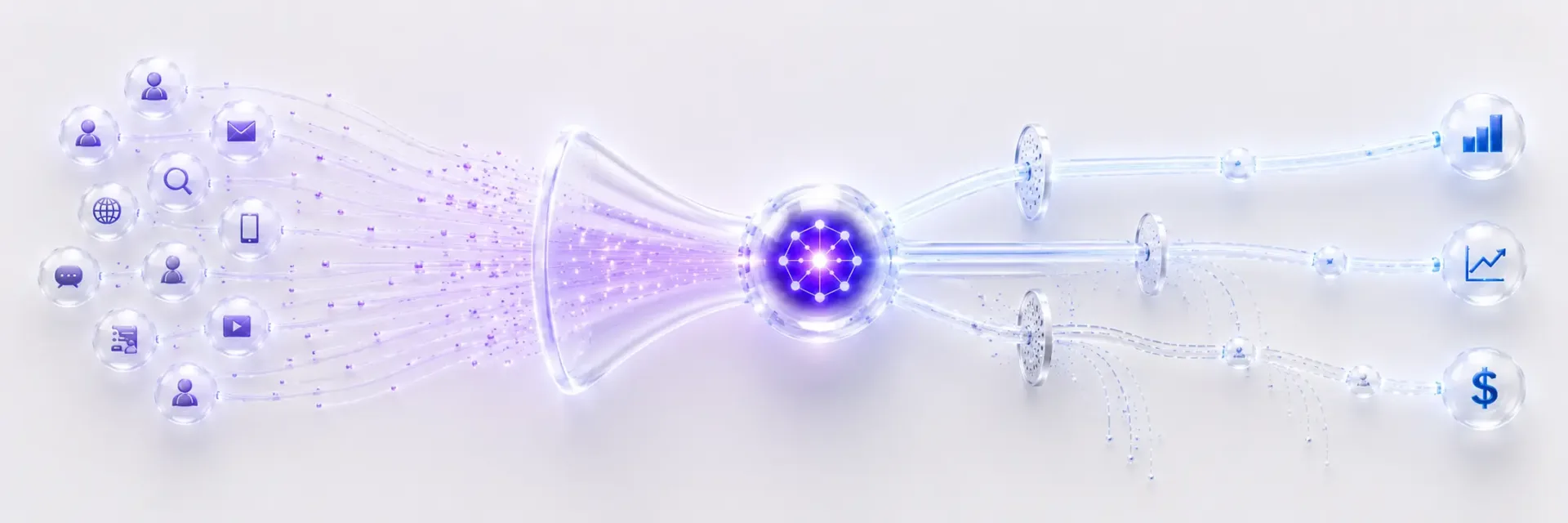
Fix Rising Customer Acquisition Cost
CAC rises when the system pays for uncertainty.
Find what makes buyers hesitate before buying more traffic.
Customer acquisition cost rises when the total cost of creating a customer grows faster than the number or value of customers acquired. The constraint may sit in media prices, channel mix, organic visibility, positioning, conversion, lead quality, sales acceptance, cycle length, retention, or the way cost and outcomes are measured.
What usually causes this problem
Rising customer acquisition cost can come from more expensive demand, weaker positioning, poor lead fit, lower conversion, slow follow-up, limited retention, or measurement that hides delayed value. The visible channel cost may not be the system cause.
- Auction or media costs rise while channel mix remains unchanged.
- Positioning and targeting attract too many unsuitable buyers.
- Landing pages and follow-up lose demand already paid for.
- Sales accepts fewer leads or takes longer to act.
- Attribution excludes delayed, assisted, or offline revenue.
Related capabilities
PPC and Paid Media
Diagnoses auction, intent, targeting, creative, and outcome quality.
SEO
Builds durable demand that does not require payment for every visit.
Conversion Rate Optimization
Reduces the loss of suitable demand after arrival.
Brand Positioning
Improves fit and reduces price-only comparison.
Analytics and Attribution
Checks whether the reported cost includes the correct outcomes and timeframe.
Evidence from a case study
Cost per admission inquiry fell by 31% within four months after paid acquisition, landing-page clarity, inquiry quality, and admissions handling were improved together.
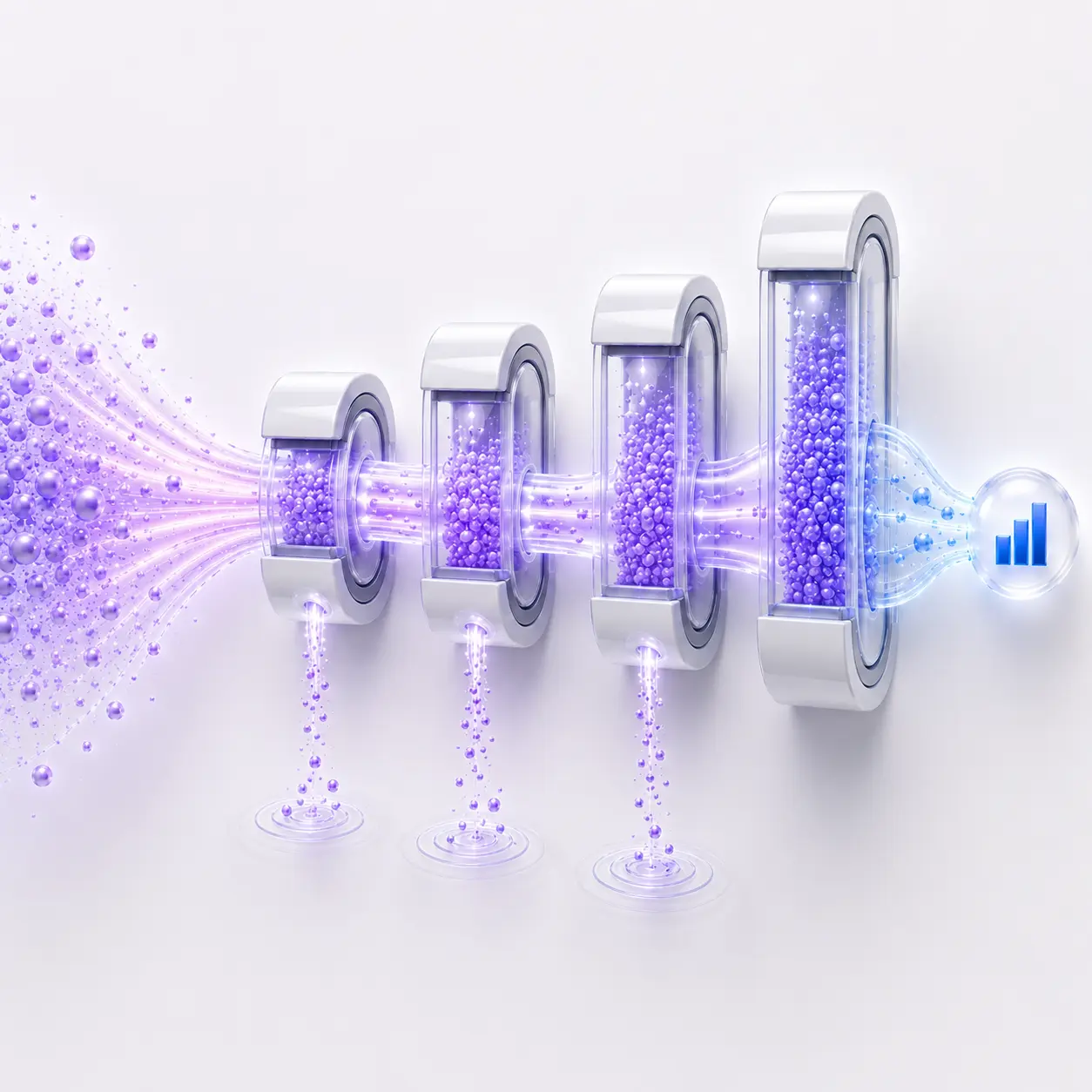
What Rising CAC Look Like
Why It Happens
CAC is an output of the entire acquisition and revenue system.
Demand becomes more expensive
Competition, platform changes, audience saturation, and market conditions raise media cost.
The mix is unbalanced
The company relies on paid channels without sufficient organic, referral, partner, or lifecycle demand.
Conversion weakens
Pages, offers, proof, or user experience fail to turn qualified attention into action.
Lead quality declines
More sales effort is required for fewer accepted opportunities.
Sales conversion changes
Response, qualification, process, or market conditions reduce close rates.
Measurement is incomplete
Teams optimize an intermediate metric that does not predict customer value.
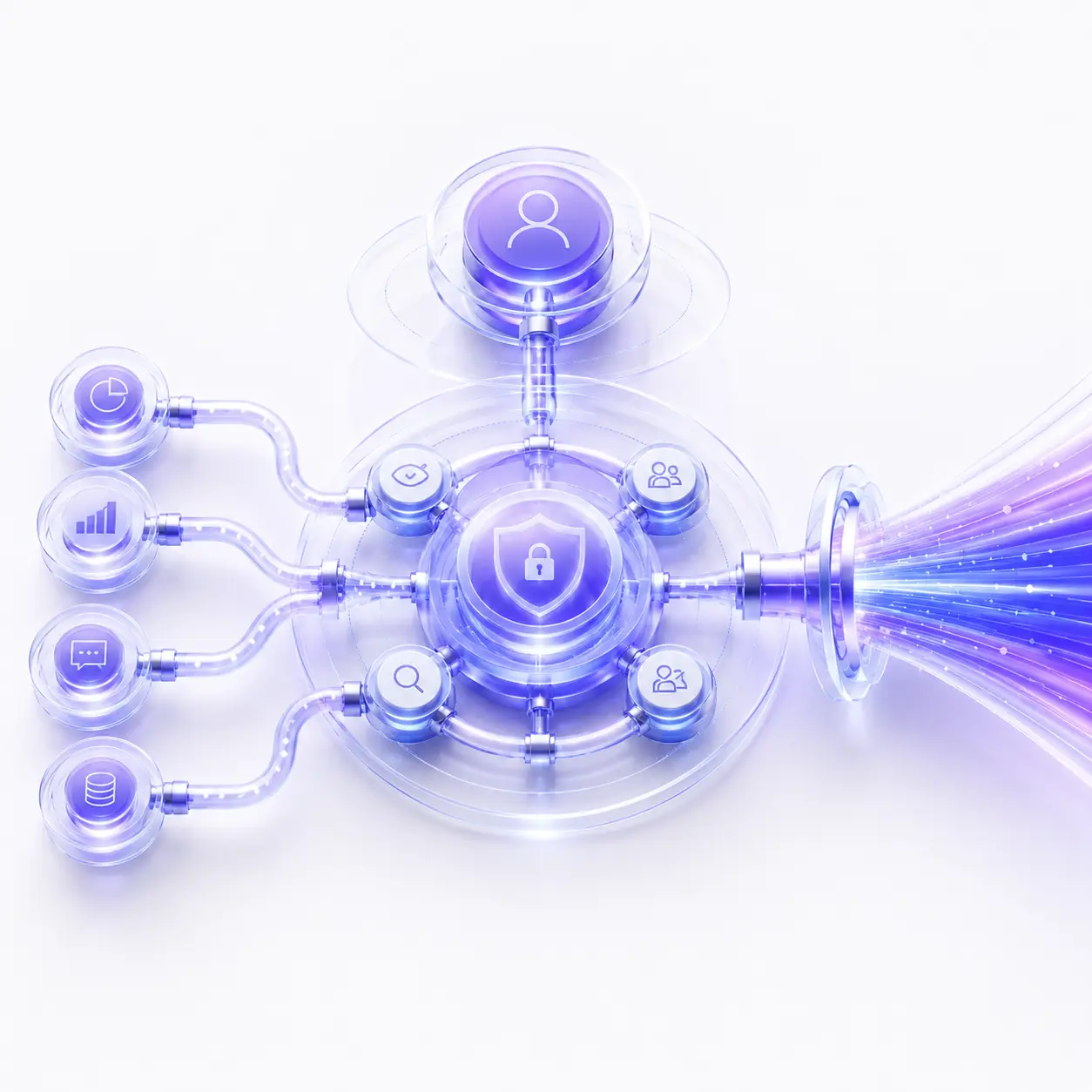
What BiViSee Diagnoses

What We Change
We improve PPC and Paid Media where targeting, creative, bidding, or feedback is inefficient.
We reduce paid dependence through SEO, AI Search Optimization, and Content Marketing.
We repair Conversion Leaks using Conversion Rate Optimization and improve Lead Quality Pressure through positioning, page design, CRM, and qualification.
Analytics and Attribution ensures cost is evaluated against accepted opportunities, revenue, and customer value.
What You Receive
CAC definition and baseline
Cost and funnel decomposition
Source and campaign economics
Organic-versus-paid dependency analysis
Conversion and qualification findings
Sales-stage leakage analysis
Measurement corrections
Prioritized efficiency roadmap
What Success Looks Like
Related Problems
If the main cost increase comes from poor-fit submissions, review Lead Quality Pressure.
If qualified traffic does not act, review Conversion Leaks.
If teams cannot agree on CAC by source, review Attribution Gaps.
If declining organic clicks are part of the problem, review AI Visibility Loss.
Questions You Might Ponder
Is rising CPC the same as rising CAC?
No. CPC is one input. Stronger conversion, qualification, sales acceptance, or customer value can offset higher click costs.
Should we cut paid spend immediately?
Not without understanding incrementality, pipeline quality, and capacity. Cutting spend may reduce cost and revenue simultaneously.
What costs belong in CAC?
Use a definition appropriate to the decision. A complete view may include media, agency, people, software, content, sales, and allocated operating cost.
Find the system variable making growth more expensive
Decompose acquisition cost across channels, conversion, qualification, sales, customer value, and measurement.